
Workboats are the backbone of the maritime industry. While cruise liners and container ships capture the headlines, it’s these rugged, purpose-built vessels — tugs, pilot boats, crew transfers, supply vessels — that keep ports running, wind farms operational, and coastlines dredged and buoyed. Understanding workboats means understanding how the maritime industry actually functions day to day, from the harbour to the open ocean.
Our e-learning courses take you inside that world, covering vessel types, propulsion systems, deck equipment, safety regulations, and the operational realities that define a career on board or ashore in workboat operations. Whether you’re new to the maritime sector or looking to deepen your technical knowledge, you’ll come away with a practical, working understanding of the vessels that keep global trade and offshore industries moving.
All courses are made in close collaboration with experts from the industry.
E-learning courses:
Principles of Anchor Handling
Principles of Anchor Handling
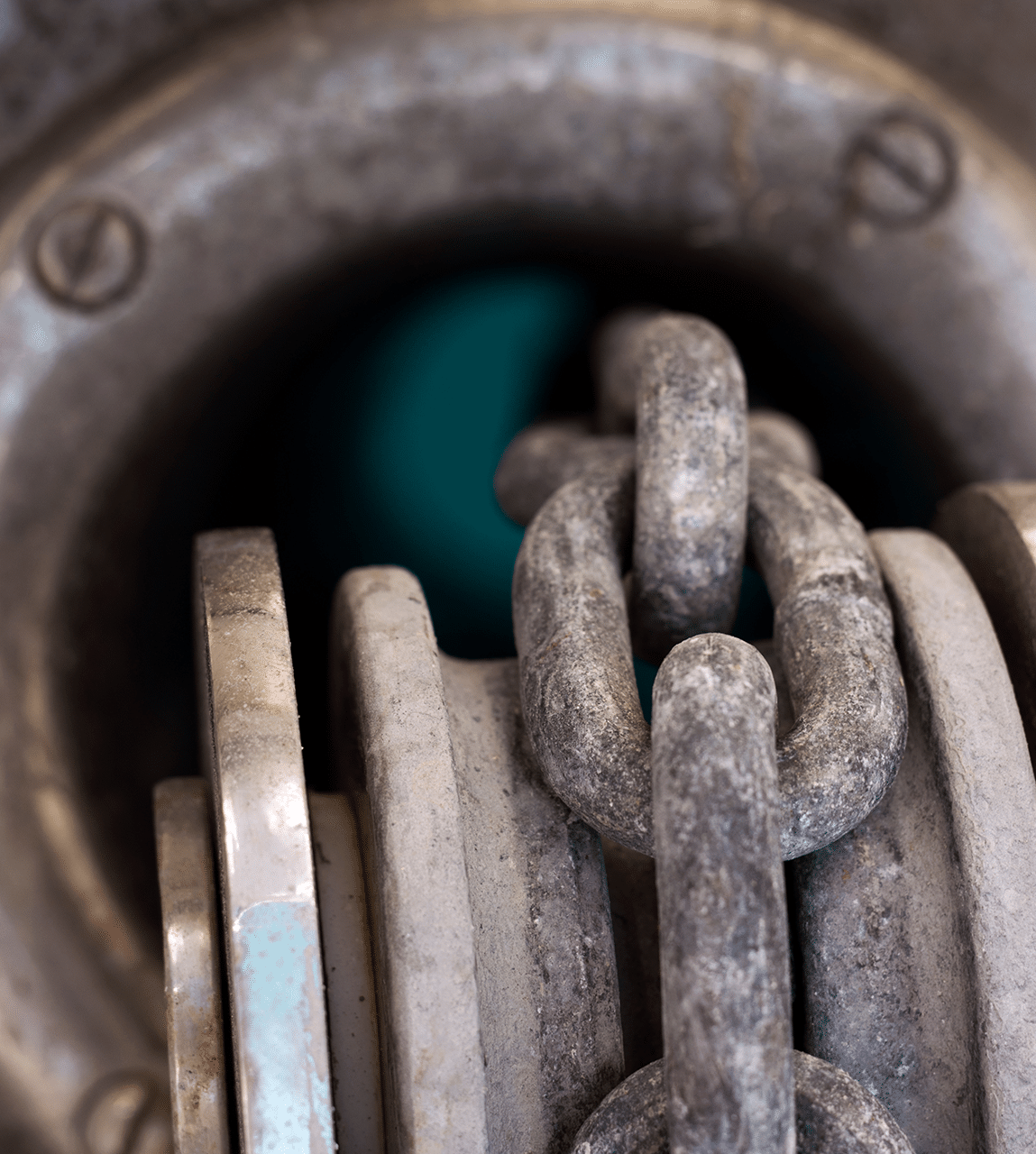
This course examines the principal vessel types and specialised equipment used in both offshore and inshore settings, including AHTS vessels, multicats, winches, and ancillary deck gear.
You will learn:
Vessels and Equipment in Anchor Handling
Stability Management and Operational Limits in Anchor Handling
Planning, Communication and Navigation
Anchor Recovery and Deployment Procedures
Operational Variations and Advanced Techniques in Anchor Handling
Emergency response for fire, spillage and first aid at sea
Introduction to Multicat Workboats
Introduction to Multicat Workboats
This course provides an overview of multicat workboats (multicats). Learners will be introduced to the defining characteristics and essential equipment of multicats, their evolution, and their roles across ports and offshore environments.
You will learn:
What Is a Multicat? Key Features and Equipment
Roles and Operations of Multicats
Foundational Safety for Working with Multicats
Workboat Crew Requirements
Workboat Crew Requirements
This course introduces the three main roles on a workboat: Master/Chief Mate, Engineer, and Deckhand. By the end of it, you’ll be able to explain vessel types, crew structure, and onboard working conditions.
You will learn:
Understanding Workboat Operations
Master/Chief Mates Requirements
Engineer Requirements
Deckhand Requirements
Polestar Publishing works in partnership with The Workboat Association to deliver high-quality, effective e-learning for workboat crews. Every course is built around the realities of working on board a workboat: practical, focused and directly relevant to daily operations.
Our courses include training on the IMDG Code, which gives crews the knowledge they need to handle dangerous goods safely and in line with international requirements. As a registered provider of Dangerous Goods Training, Polestar Publishing delivers this training to a recognised standard.
The course offering continues to grow, with new titles developed in close cooperation with The Workboat Association. Together, we aim to support the professional development of workboat crews and raise safety standards across the sector.
E-learning courses:
Passage Planning
Passage Planning
Passage Planning Explained is a concise e-learning module on planning safely from berth to berth. It is written for crews of merchant ships, workboats and small craft alike. It follows the four phases of IMO Resolution A.893(21) and turns the regulations into a practical routine you can use on every passage.
You will learn:
What SOLAS Chapter V, the STCW Code and national rules require, and why they matter
Checks on the vessel and crew, sources of information, and how to judge whether a harbour or berth is safe
Plotting the route, safety margins, under keel clearance and squat, tides, traffic, environmental measures, contingencies and the point of no return
When to postpone a stage, position fixing, keeping a log, and revising the plan
Making passage planning a consistent habit on board
Carriage of Dangerous Goods on Workboats
Carriage of Dangerous Goods on Workboats
This course covers the regulations, procedures and practical skills needed to carry packaged dangerous goods safely on workboats: what dangerous goods are and why the IMDG Code exists, the UK regulatory framework and your training obligations, classification into the nine hazard classes, packaging, labelling, placarding and documentation, and safe stowage and segregation. The final chapters address emergency response: fire-fighting, spillage procedures, first aid and the “can I carry this?” safety checklist.
This course gives workboat crews the foundation to make informed decisions on board.
You will learn:
What counts as dangerous goods, and why they require special handling
The UK and international framework that governs their carriage at sea
Classification, packaging, labelling and documentation requirements
Safe stowage, segregation and return of dangerous goods
Emergency response for fire, spillage and first aid at sea
Control of Alcohol and Drug Misuse in the Workplace
Control of Alcohol and Drug Misuse in the Workplace
This course is written for owners, operators, employees and charterers of workboats, and gives them a clear, practical understanding of their legal duties and of what an effective drugs and alcohol policy needs to cover.
You will learn:
The law: UK health and safety duties, the MCA prescribed limits and how they compare with the STCW minimum standard
The risks: What MAIB data and real case studies show, and why “lawful” is not always “safe”
The effects of alcohol: how long it stays in the bloodstream, and why feeling ready for work isn’t the same as being fit for duty
Your policy: what it should cover, including the four-hour rule and the balance between support and sanctions
Testing, searches and monitoring: how to carry them out lawfully, and what to check before you buy a breathalyser
