
Understanding port logistics means grasping a chain that runs from initial voyage planning to final delivery, where every link depends on those before and after it.
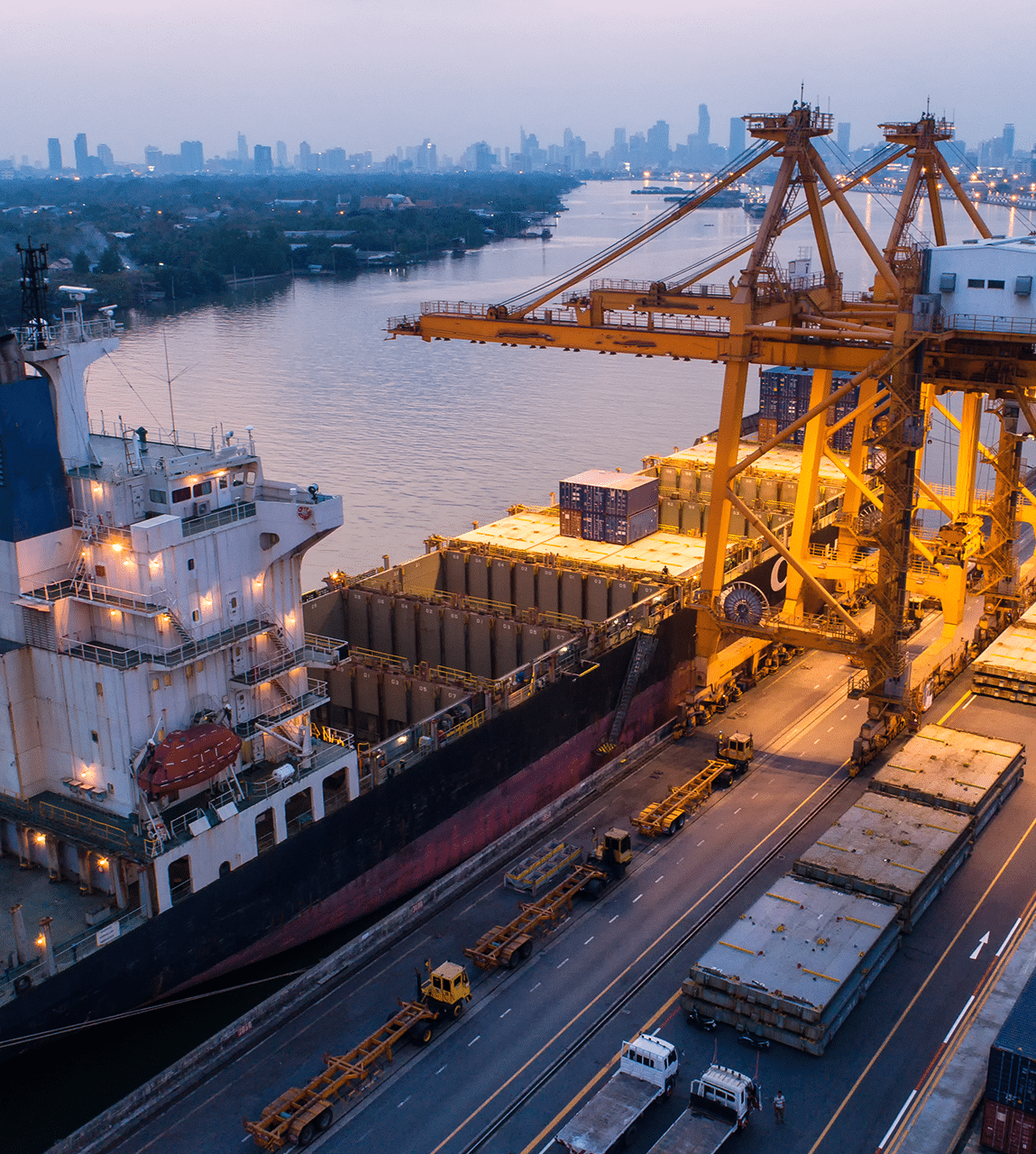
When a ship arrives, specialists are already at work: pilots guide vessels through busy waterways, towage services manoeuvre them into berth, and shipping agents and freight forwarders coordinate paperwork and logistics. No role operates in isolation: a delay or miscommunication at one stage ripples through the rest.
Once cargo is ashore, its journey continues. Whether shipped as a full container load or shared shipment, goods must clear customs and satisfy Incoterms, which set out who bears responsibility and cost at each stage. Warehousing and distribution networks then move goods onward by road, rail, air or sea to their final destination.
Safety and regulation run throughout, with strict rules — many shaped by past disasters — governing how cargo is handled, stored and transported to protect workers, the public and the environment.
Grasping this full sequence matters because ports function as one continuous system, not separate tasks. A professional who understands how each phase connects can anticipate problems, spot inefficiencies and keep goods moving; an ability that grows more essential as ports embrace digitalisation, automation and sustainable practices.
E-learning courses:
Havenlogistiek (Dutch)
E-learning Havenlogistiek
Van de eerste ontdekkingsreizen met het kompas tot de volledig geautomatiseerde containerterminals van vandaag – deze cursus neemt je mee door de wereld van internationale handel, havens en logistiek.
You will learn:
De maritieme geschiedenis en het ontstaan van de wereldhandel
De rol van mainports als Rotterdam en Antwerpen in mondiale logistiek
De taken van maritiem dienstverleners, cargadoors en expediteurs
Transportmodaliteiten, Incoterms en douaneprocessen
Containerlogistiek, warehousing en luchtvracht
Operationele scheepsprocessen en de rol van de waterklerk
Ontwikkelingen in innovatie, digitalisering en duurzaamheid
The following modules will be available in English soon:
- Port Logistics
